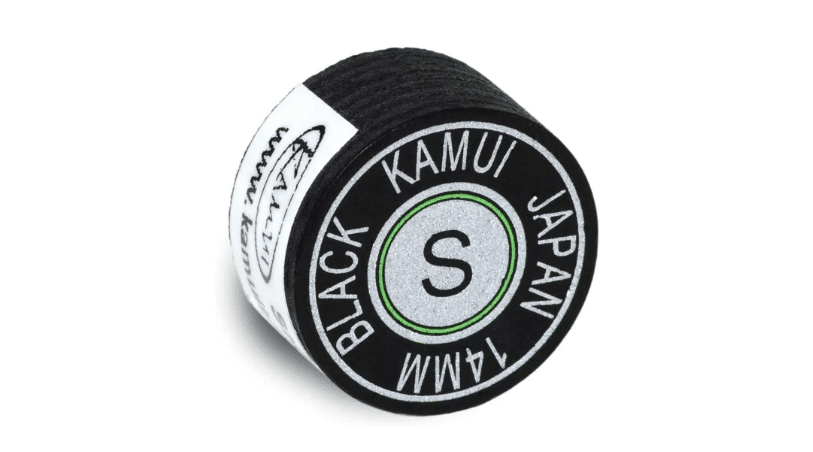
Nothing impacts the actual feel of your shot quite like the tiny piece of leather glued to the end of your pool cue. You can buy a thousand-dollar butt with the most advanced carbon fiber shaft on the market, but if your cue tip doesn’t match your playing style, your game will suffer.
When shopping for a new tip—or upgrading a stock cue—you’ll be faced with a critical decision: Soft, Medium, or Hard?
Choosing the wrong hardness can lead to frustrating miscues, poor cue ball control, or endless maintenance. This comprehensive guide breaks down the science of cue tip hardness so you can pick the perfect match for your game.
Table of Contents
The Core Differences: At a Glance
If you are standing in a pro shop right now trying to make a quick decision, here is the baseline rule of thumb:
| Tip Hardness | Best For | Pros | Cons |
| Soft | Spin (English) & Finesse | Maximum grip, holds chalk incredibly well, less risk of miscues. | Mushrooms quickly, requires frequent trimming/shaping, wears out fast. |
| Medium | All-Around Players & Beginners | Balanced control, holds its shape well, minimal maintenance. | Master of none; doesn’t maximize spin or power. |
| Hard | Power Shots, Breaking, & Jumping | High energy transfer, lasts a long time, never loses shape. | Holds chalk poorly, high miscue risk if using extreme spin. |
Soft Pool Cue Tips: The Spin Master’s Choice
Soft cue tips are usually made from highly elastic, layered pigskin leather. Because the leather is soft, it compresses significantly upon impact with the cue ball.
How It Affects Your Game
When a soft tip compresses, it stays in contact with the cue ball for a fraction of a millisecond longer than a hard tip. This increased “dwell time” gives the tip maximum grip on the ball. If you love playing with heavy english, drawing the ball across the table, or cheating pockets with spin, a soft tip makes it incredibly easy.
The Downside: Maintenance Heavy
The major drawback to soft tips is a process called mushrooming. Because the leather is compliant, the repeated impact causes the sides of the tip to bulge out past the edge of your ferrule over time. You will need a tip-shaping tool to constantly trim the sides and scuff the dome back into shape. Soft tips also wear down much quicker, meaning you’ll need to replace them more often.
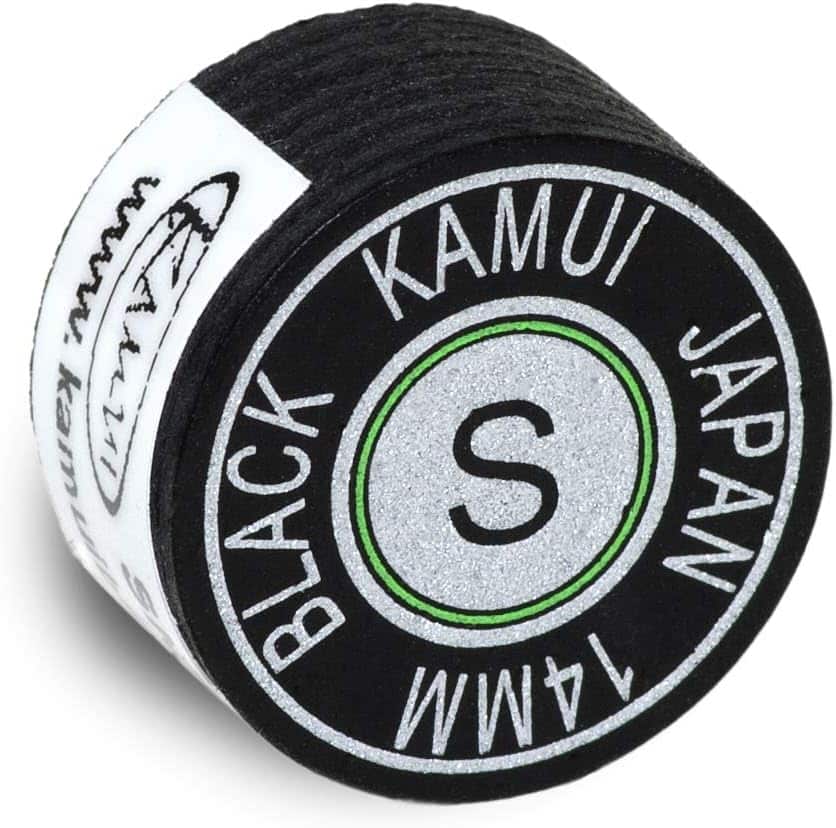
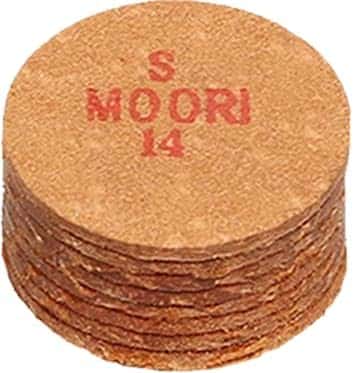
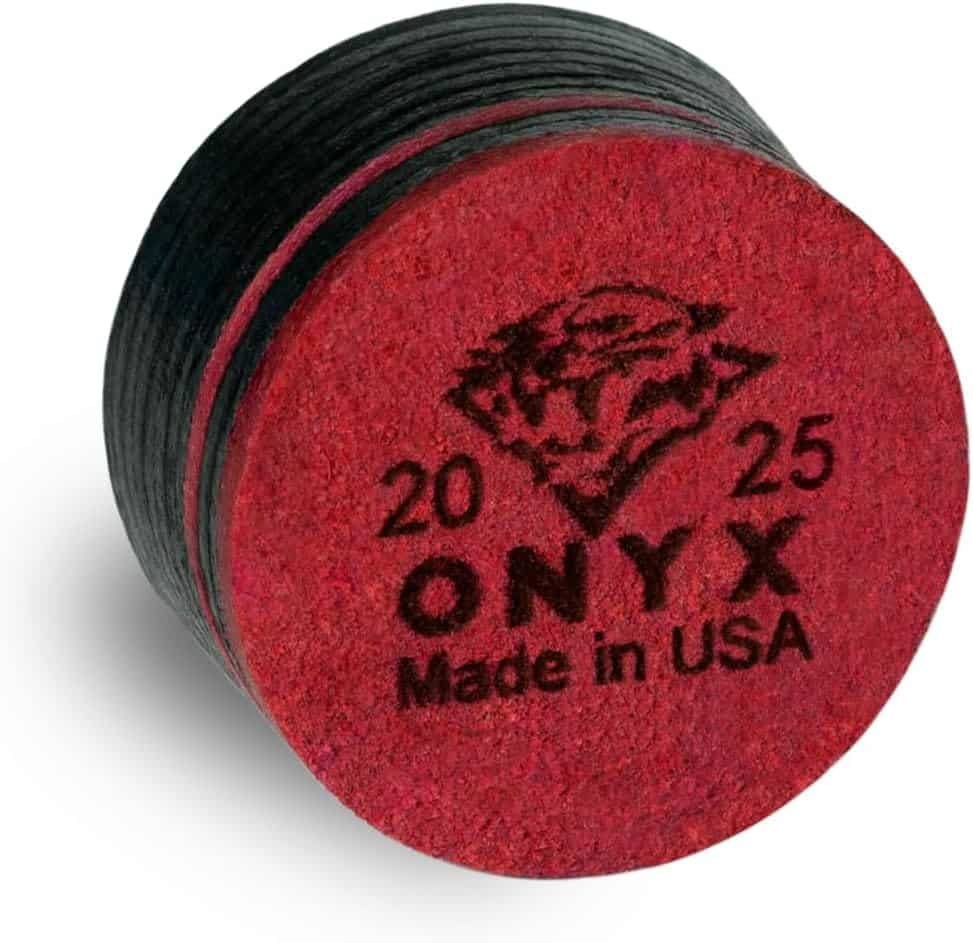
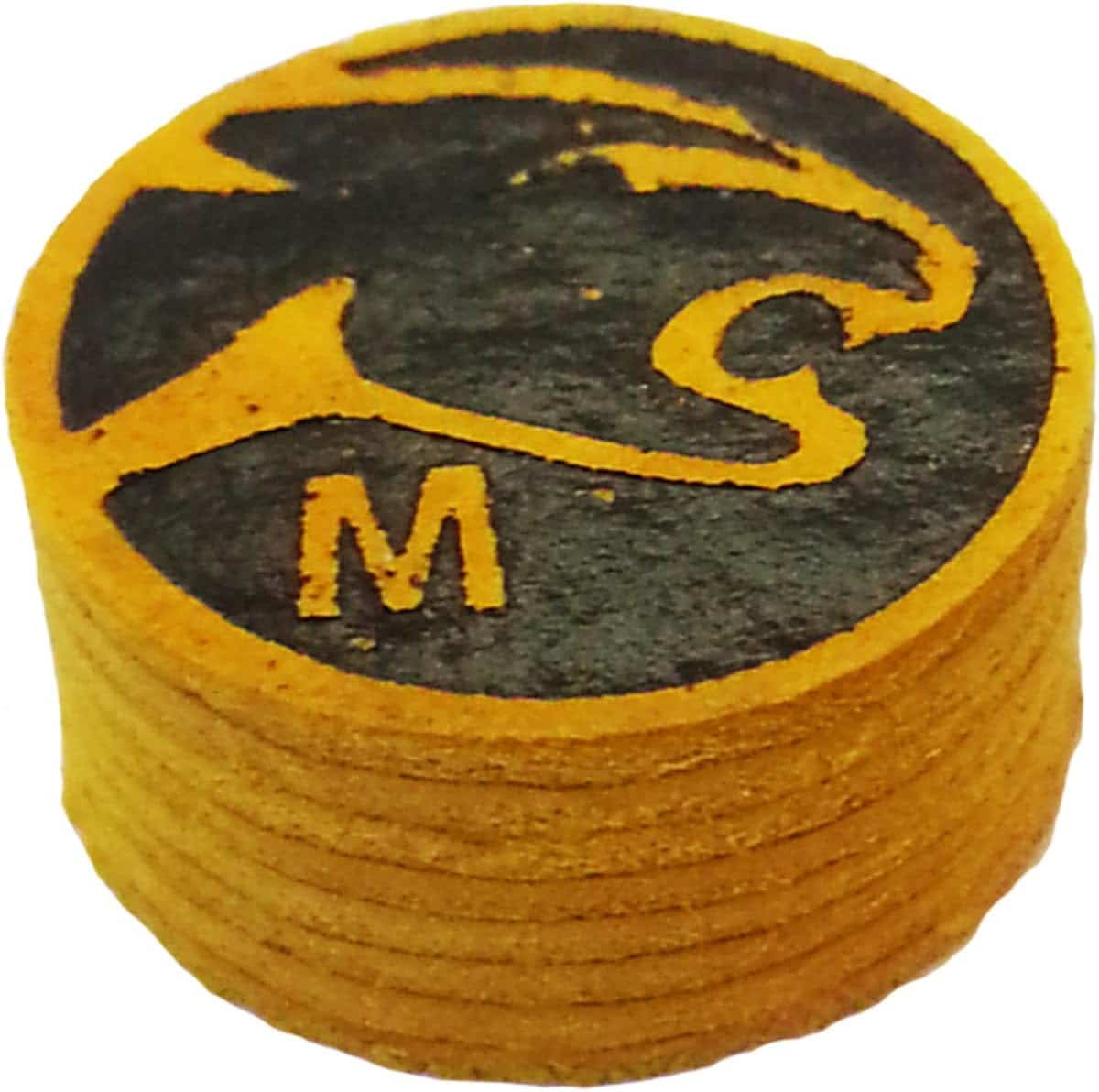
- Popular Examples: Kamui Black (Soft), Moori (Soft), Tiger Onyx.
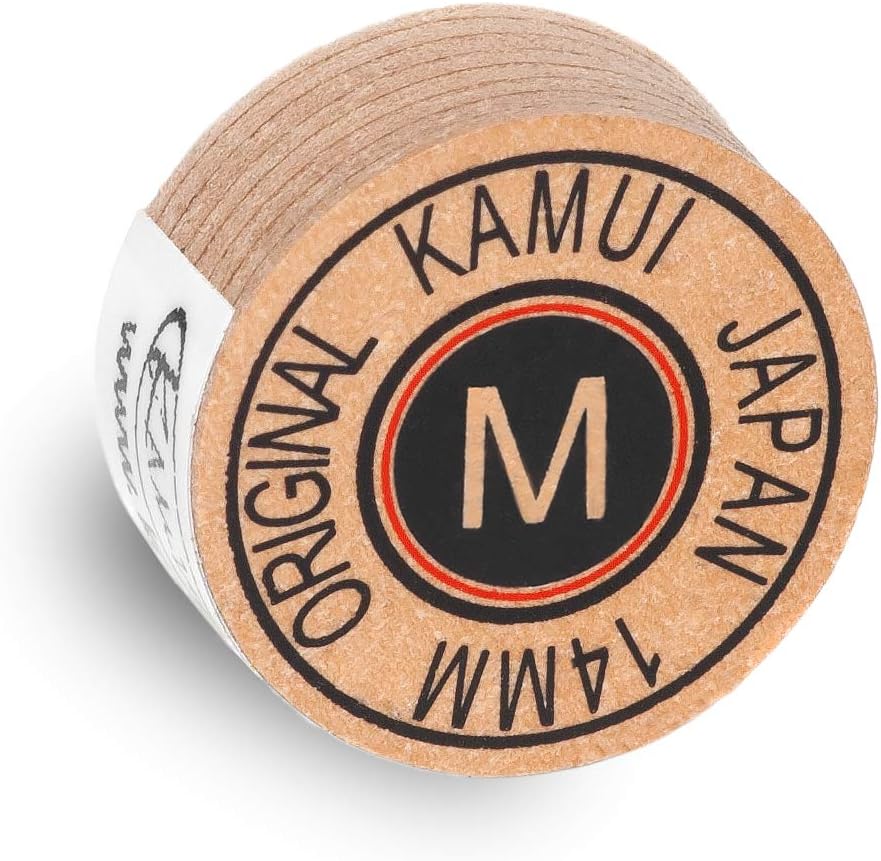
Medium Pool Cue Tips: The Standard Value
If you buy a high-end pool cue straight off the shelf, it will almost always come equipped with a medium cue tip.
How It Affects Your Game
Medium tips offer a middle-ground compromise. They are rigid enough to provide solid feedback and power on structural shots, yet elastic enough to compress and grip the cue ball when you need to apply spin. For 90% of casual and intermediate players, a medium tip is the absolute best choice. It allows you to learn the fundamentals of the game without your equipment fighting against you.
The Downside: Jack of All Trades
The only real downside to a medium tip is that it doesn’t excel at any single specialty. Advanced players who play a highly technical finesse game may find it lacks the ultra-crisp grip of a soft tip, while power hitters might want something stiffer.
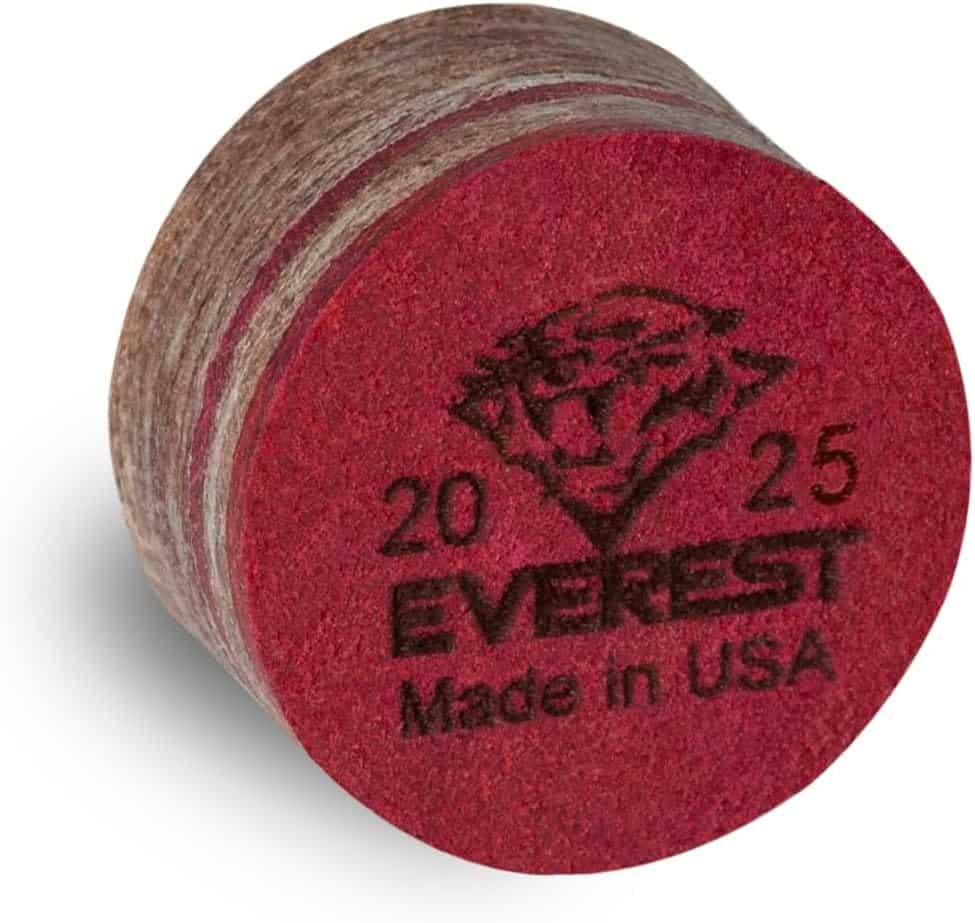
- Popular Examples: Kamui Original (Medium), Predator Victory (Medium), Tiger Everest.
Hard Pool Cue Tips: Power and Longevity
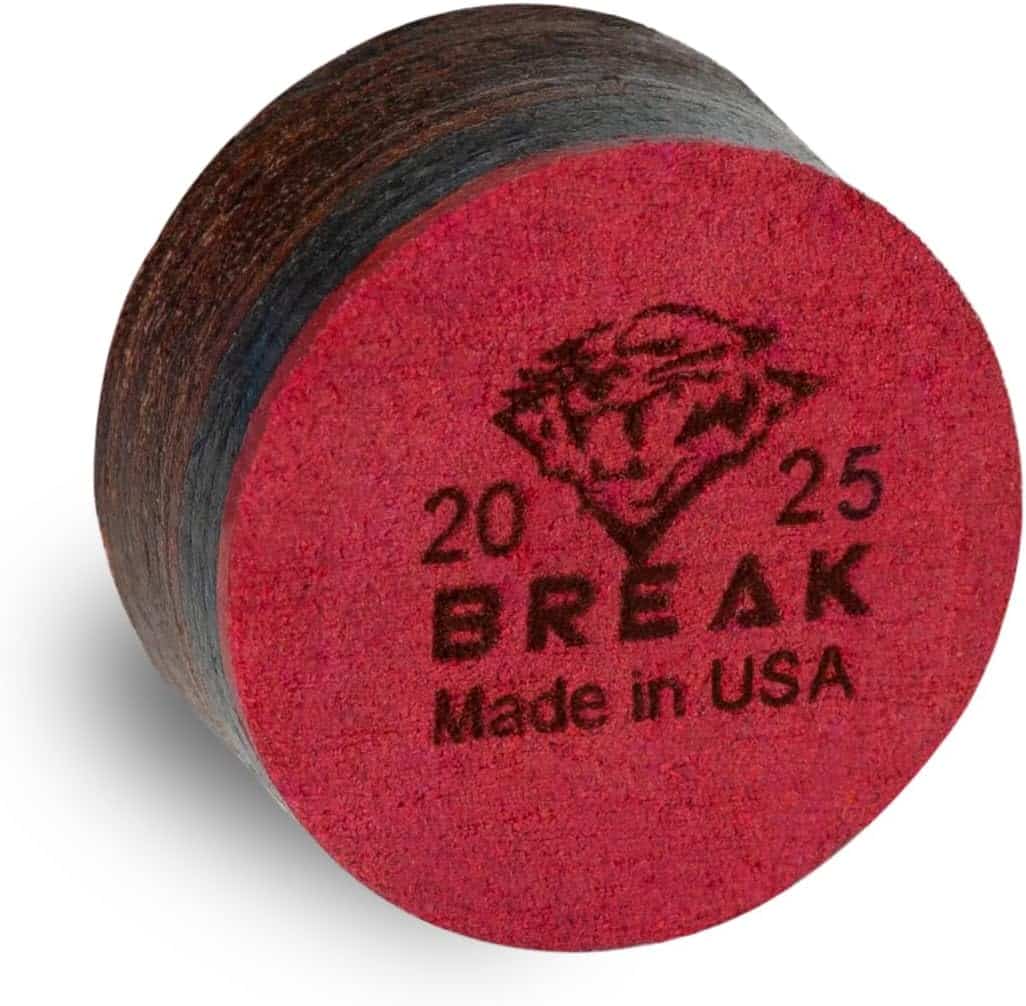
Hard cue tips are crafted from dense, heavily compressed leather, and in extreme cases (like dedicated break cues), synthetic materials like phenolic resin or G10.
How It Affects Your Game
Hard tips do not compress. When you strike the cue ball, the energy transfer is instant and highly efficient. This makes them ideal for break cues and jump cues, where speed and explosive power are mandatory. Furthermore, hard tips almost never lose their shape. You can play hundreds of games without ever worrying about mushrooming.
The Downside: The Miscue Danger Zone
Because a hard tip doesn’t grip the ball, it relies entirely on chalk to create friction. If you try to strike the cue ball far from its center (extreme spin) with a hard tip, it is highly prone to slipping right off the ball—resulting in a frustrating miscue.
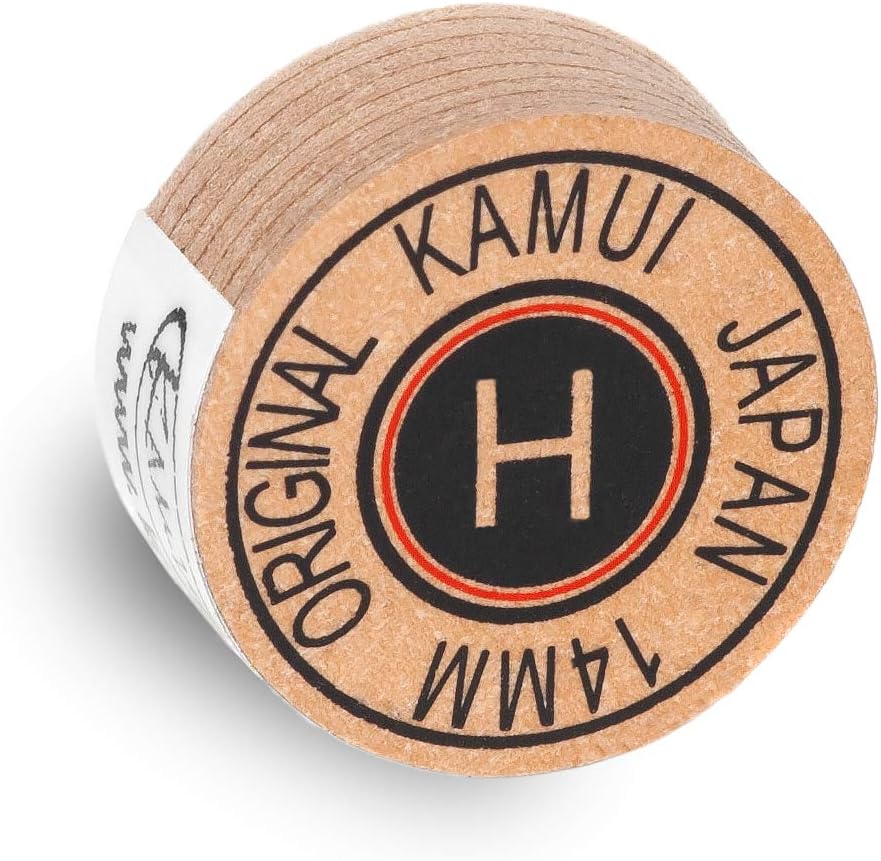
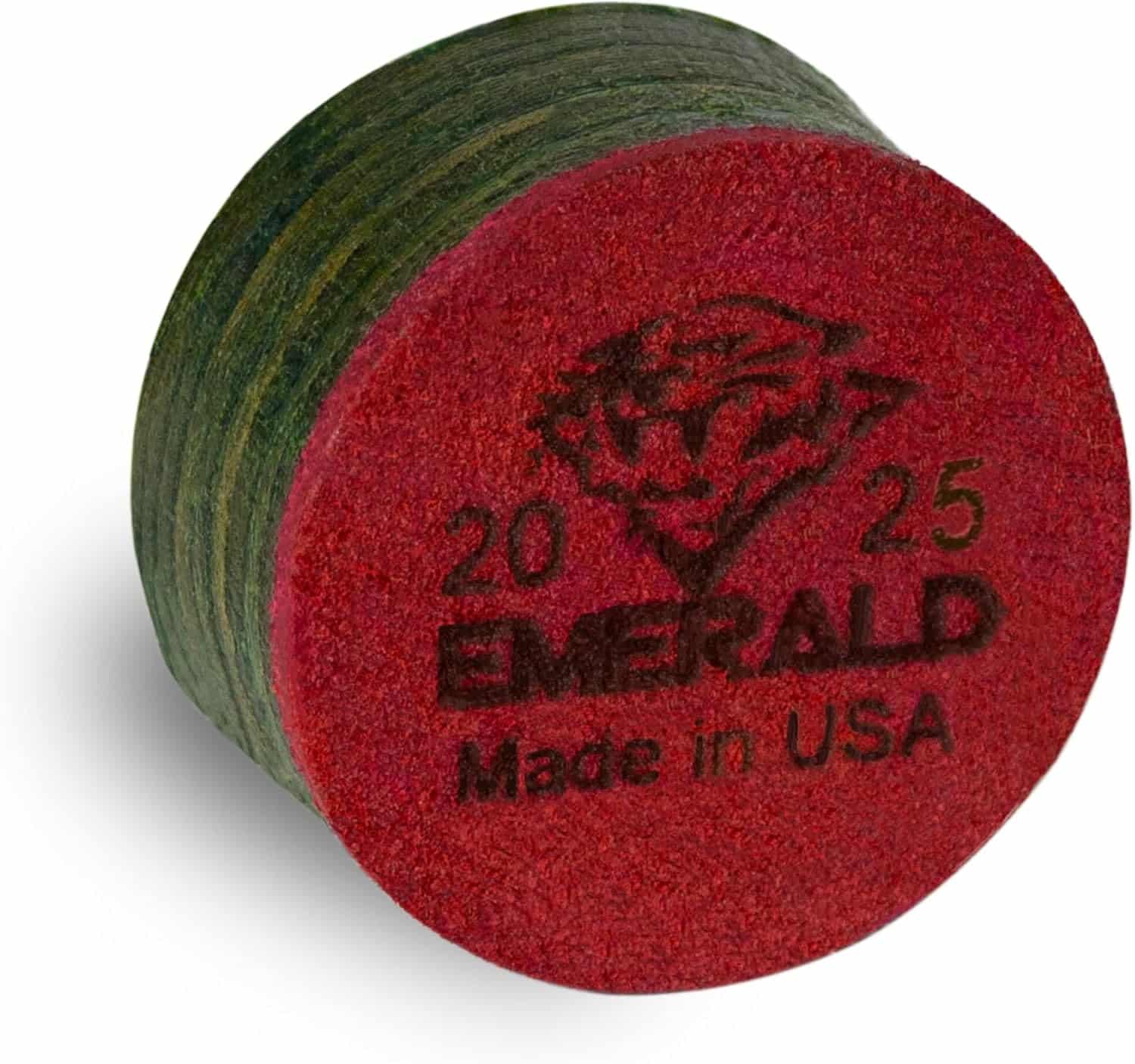
- Popular Examples: Kamui Original (Hard), Tiger Emerald, Water Buffalo.
How to Choose the Right Tip for Your Style
To wrap your head around the decision, ask yourself these three simple questions about how you play:
1. What is your skill level?
If you are a beginner or early intermediate player, go with a Medium tip. It provides a reliable baseline, requires very little upkeep, and won’t penalize you with constant miscues if your stroke mechanics aren’t completely straight yet.
2. How often do you like to maintain your gear?
If you hate the idea of sanding, scuffing, and trimming your cue every few weeks, avoid soft tips entirely. Go with a Medium-Hard or Hard tip that you can essentially “set and forget.”
3. What is the cue being used for?
- For your primary playing cue: Choose Soft (if you prioritize spin) or Medium (if you prioritize versatility).
- For a dedicated break/jump cue: Always choose a Hard or Extra-Hard phenolic/leather tip to maximize power transfer.
Conclusion
There is no single “best” cue tip hardness—only the tip that complements how you approach the table. Soft tips give you the friction required for mesmerizing spin control at the cost of high maintenance. Hard tips offer unmatched power and durability but demand precise center-ball accuracy. Medium tips sit comfortably in the middle, offering the perfect balanced starting point for most players.
The next time you are due for a retip, don’t just accept whatever the house standard is. Experiment with a different hardness level and see how a few millimeters of leather can completely transform your stroke.
Frequently Asked Questions (FAQs)
For a regular player (playing 4–6 hours a week), a soft tip usually lasts 6 months to a year due to frequent reshaping. A medium tip can easily last 1 to 2 years, while a hard tip can sometimes last 3+ years before it physically wears down to the ferrule.
Break cues require maximum velocity to smash the rack apart. When a soft tip hits a ball at high speed, a lot of your kinetic energy is lost and absorbed by the leather as it squishes. A hard tip doesn’t compress, ensuring 100% of your arm speed is transferred directly into the cue ball.
Slightly, yes. Because a harder tip undergoes minimal compression upon impact, it behaves more efficiently from a physics standpoint, transferring slightly more speed to the cue ball than a soft tip struck with the exact same force.
Not necessarily. While hard tips miscue more easily, the most common culprit is a lack of chalk or a tip that has become smooth and “glazed” over. Use a tip pick or scuffer tool to roughen up the leather surface so it can actually hold chalk properly.